
Journal of Environmental Sciences Review Explores Micro(nano)plastic Dynamics in Hyporheic Zones and Groundwater
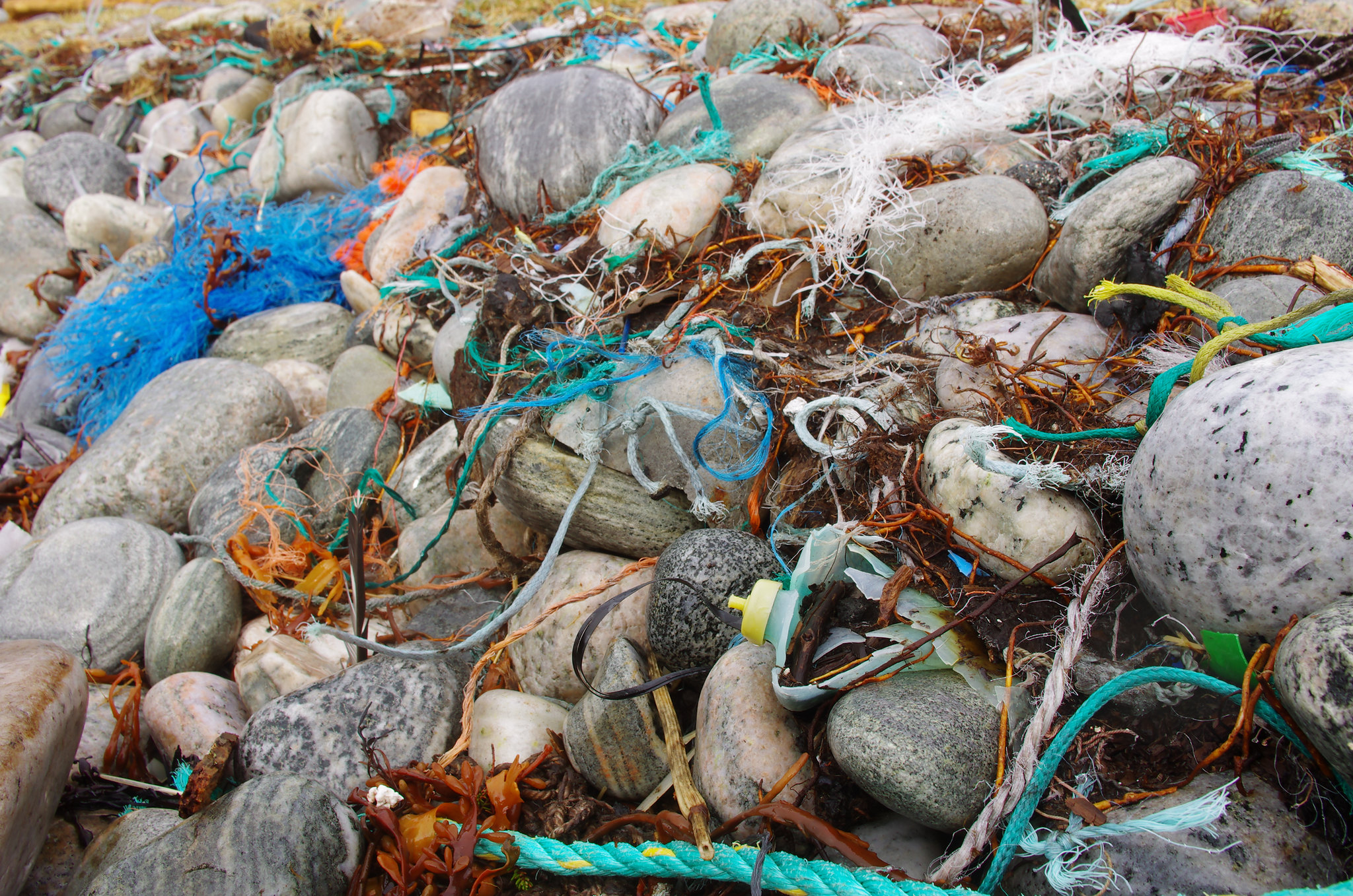
Micro(nano)plastics are now a cause of immediate concern even in groundwater systems across the globe.
Micro(nano)plastics disperse in groundwater systems via mechanical transport, physicochemical transport, and biological processes assisted transport.
BOSTON, MA, UNITED STATES, January 20, 2026 /EINPresswire.com/ -- Micro(nano)plastics (MNPs) pose a global concern as an emerging environmental pollutant. However, their transport properties currently lack complete theoretical interpretation. In a recent review, researchers from China now provide a comprehensive summary of the present pollution status of MNPs in hyporheic zones and groundwater systems, explaining their transport process and proposing future research directions on MNPs.Micro(nano)plastics (MNPs) are a growing global environmental concern. Their increasing discovery in groundwater systems and the interconnected hyporheic zone has highlighted an urgent need for a comprehensive theoretical understanding of this new pollution status. MNPs, which comprise both microplastics and nanoplastics, are plastic particles with sizes ranging from 1 nm to 5 mm. As an emerging environmental pollutant, MNPs are now ubiquitous in diverse ecosystems, including terrestrial, atmosphere, seawater, and freshwater environments. Their gradual discovery in groundwater a prime source of freshwater as well as in hyporheic zones worldwide, is an additional cause of concern. MNPs such as polyethylene, polypropylene, polyvinyl chloride, polystyrene, and polyethylene terephthalate may pollute groundwater and release of coexisting contaminants. These include bisphenol A, polychlorinated biphenyls, heavy metals such as Mg, Zn, Cu, Pb, and Cd, as well as pathogens.
Research on MNPs has focused primarily on the origin and spatiotemporal distribution of MNPs in regional groundwater. Recently, some studies have explored the impact of their properties and the consequences of environmental factors on their transport. Despite these advances, however, the transport behavior of MNPs in the entire hyporheic zone-groundwater system remains theoretically poorly understood.
In a new systematic review, a research team led by Professor Daqiang Yin from Tongji University in China and including researchers from Shanghai Institute of Pollution Control and Ecological Security and East China Normal University, has comprehensively summarized the current pollution status of MNPs in the hyporheic zone-groundwater system. Their findings were made available online on 17 April 2024 and have been published in Volume 151 of the Journal of Environmental Sciences on 1 May 2025.
“We summarized the distribution status and explored the source and sinks of MNPs in the hyporheic zone-groundwater system around the world. We further utilized biogeochemical effects and its influencing factors to explain their transport process, identifying promising future studies for MNPs research in groundwater systems,” highlights Prof. Yin.
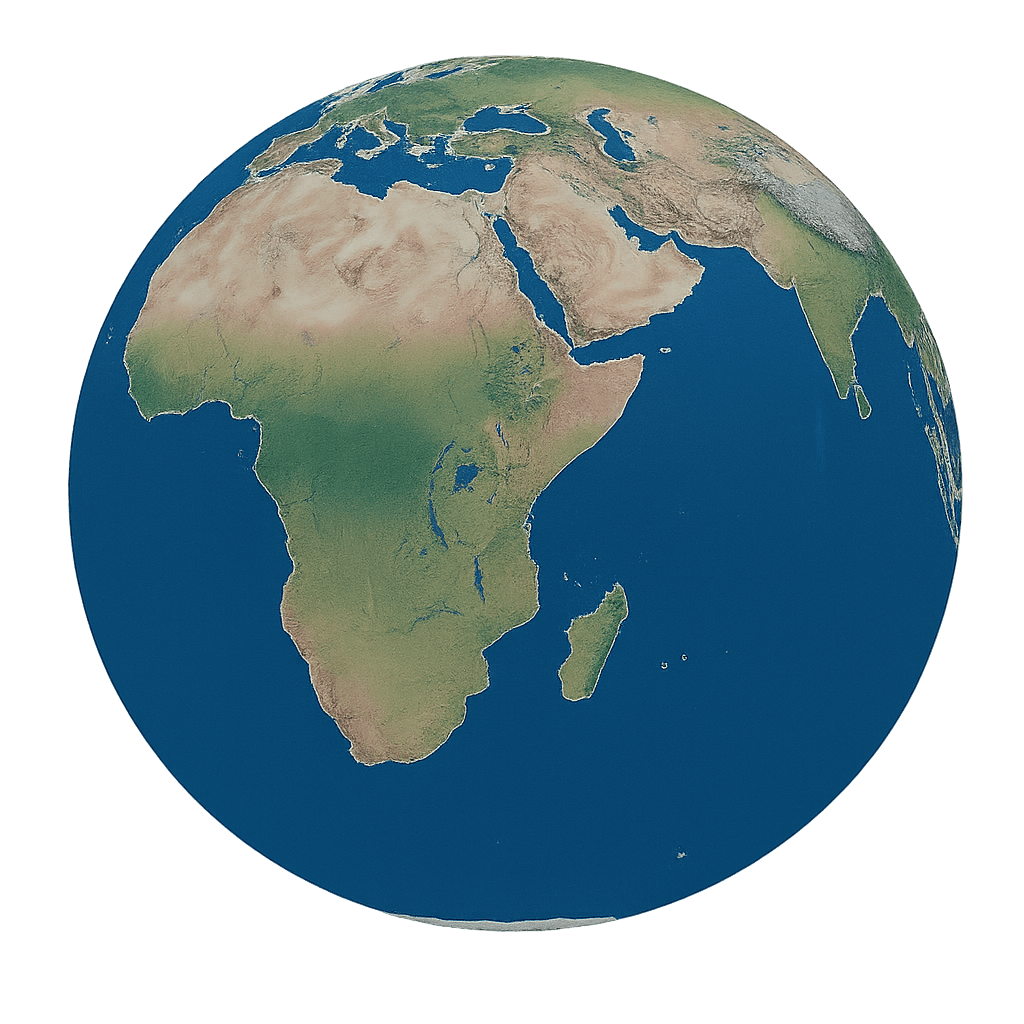
The team’s study reveals that existing abundance reports of MNPs in hyporheic zone-groundwater systems are confined to Asia, Europe, and North America, all highlighting regions with significant MNPs pollution. The sources of MNPs primarily include areas with agricultural activity, urban living, industrial production, sewage discharge, tourism, and offshore operations. Notably, MNPs entering groundwater can also go back to the ocean and surface environments via groundwater discharge, underground rivers, and resuspension processes.
The team further highlights that the transport mechanisms of MNPs in groundwater systems can be classified into mechanical transport, physicochemical transport, and biological processes assisted transport, dependent upon mechanical stress, physicochemical reactions, and bioturbation, respectively.
In mechanical transport—mediated by percolation, surface water exchange, seawater intrusion, and atmospheric deposition—MNPs participate in transport and deposition in groundwater via hydrodynamic force, interfacial tension, adhesion force, buoyancy, and gravity, entering groundwater through hydraulic gradient and atmospheric sedimentation. On the other hand, physicochemical transport encompasses electrostatic interactions, hydrophobicity, π-π interactions, hydrogen bonding, van der Waals forces, cationic ligand interactions, and surface complexation. Here, pH, temperature, ionic strength, valence, natural organic matter, soil components, and MNP size and functional groups determine the co-transport stability of MNPs. Interestingly, the biological processes assisting in the transport are influenced by the root system of plants and the body size, growth, living habits, and feeding rules of organisms.
“Overall, our review proposes to advance our understanding of the multi-dimensional hydrosphere transport of MNPs centered on groundwater, the microorganisms-mediated synergistic transformation, and co-transport involving the intertidal circulation. We systematically dissected the presence and transport cycles of MNPs within the hyporheic zone-groundwater system and propose future studies on the effects of anaerobic microbial colonization in groundwater systems and seawater intrusion in intertidal zones on the cooperative transport of MNPs,” concludes Prof. Yin, with his eyes on the future.
***
Reference
Title of original paper: Current research status on the distribution and transport of micro(nano)plastics in hyporheic zones and groundwater
Journal: Journal of Environmental Sciences
DOI: https://doi.org/10.1016/j.jes.2024.03.042
Hanqin Tian
Boston College
+1 617-552-3664
hanqin.tian@bc.edu
Legal Disclaimer:
EIN Presswire provides this news content "as is" without warranty of any kind. We do not accept any responsibility or liability for the accuracy, content, images, videos, licenses, completeness, legality, or reliability of the information contained in this article. If you have any complaints or copyright issues related to this article, kindly contact the author above.
