

Europe's soils are degrading ‘invisibly.’ The main risks identified by the latest InBestSoil survey
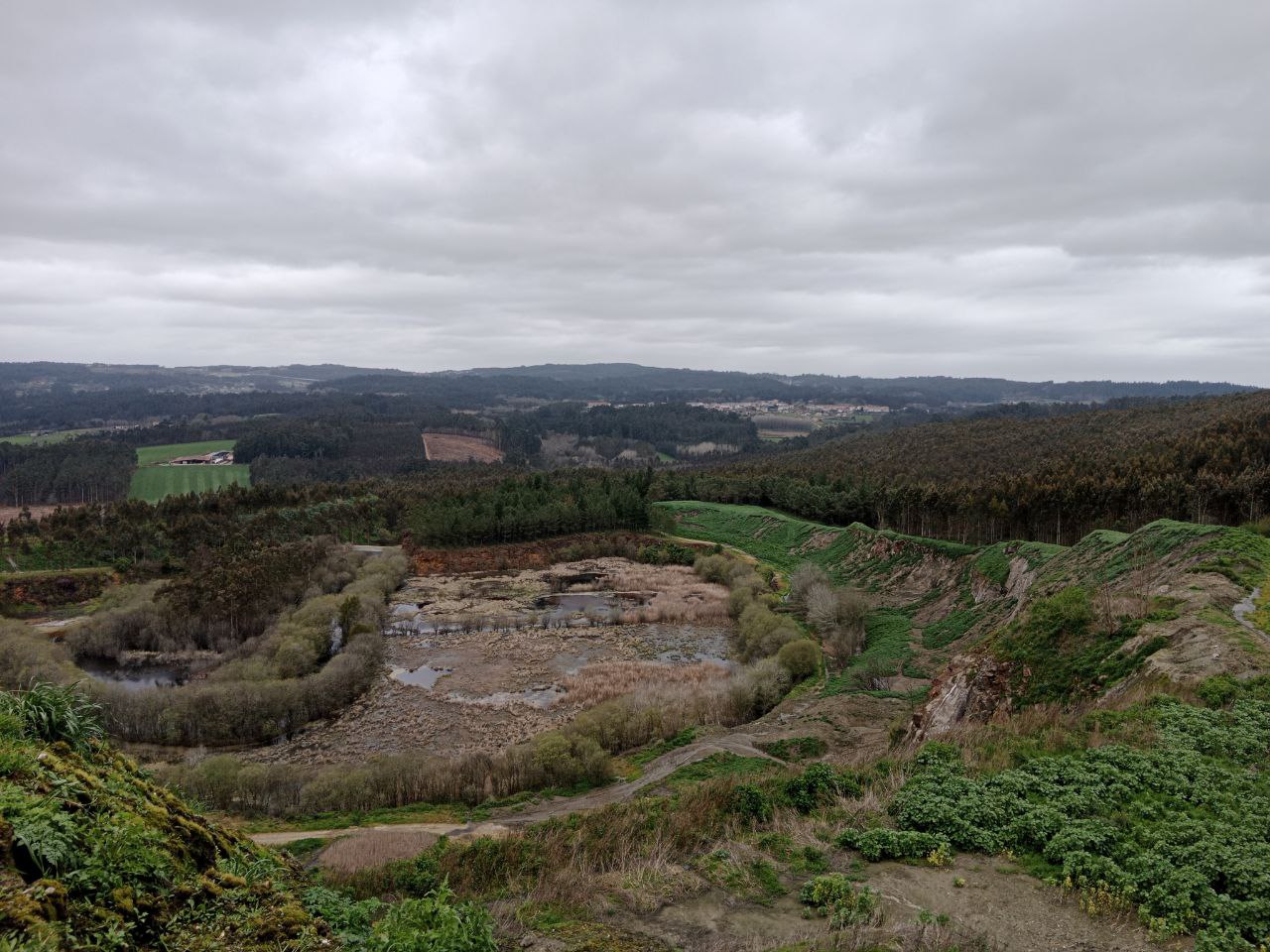
LH3 Touro Mine, Galicia, Spain_- Reactive Wetland
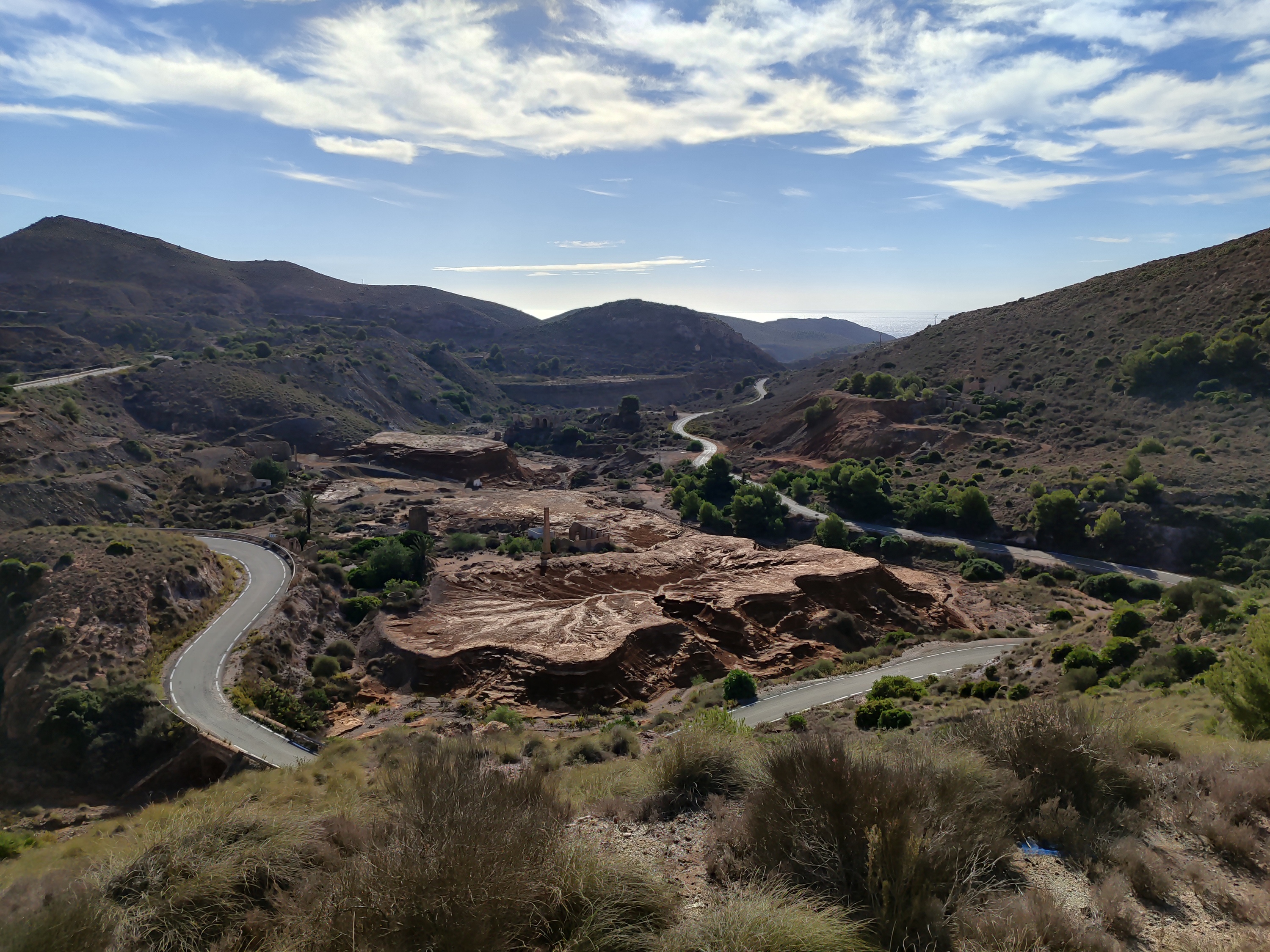
LH2 Cartagena mine area
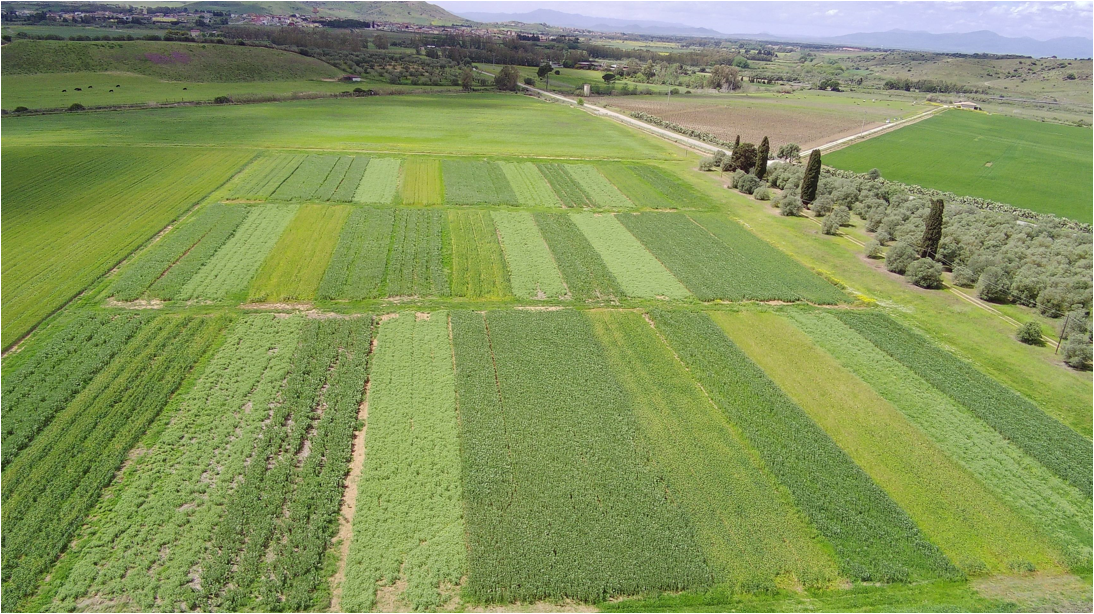
LL1 Sardinia
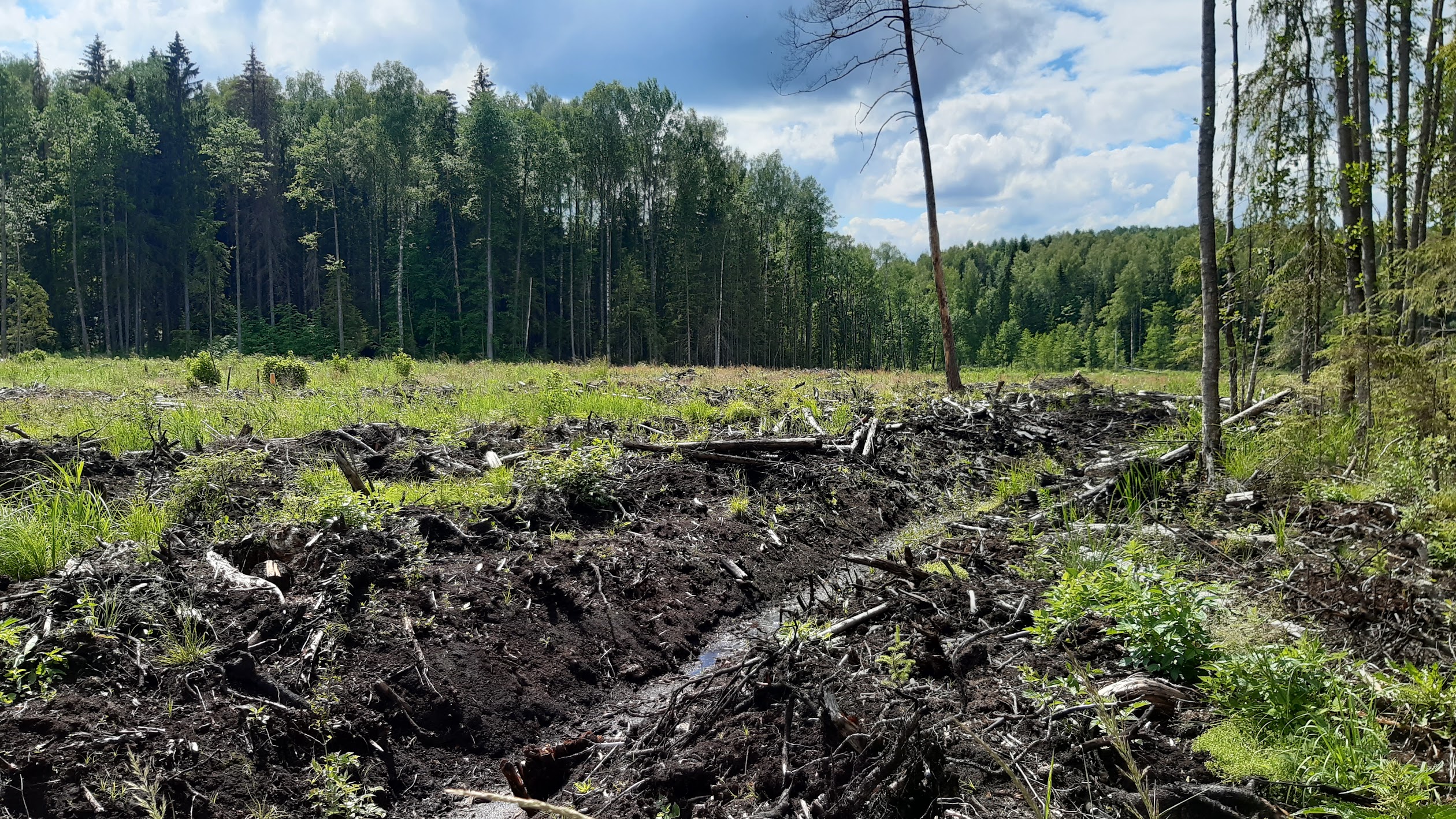
LH 6 Latvia - forest site with hight water table and organic soil
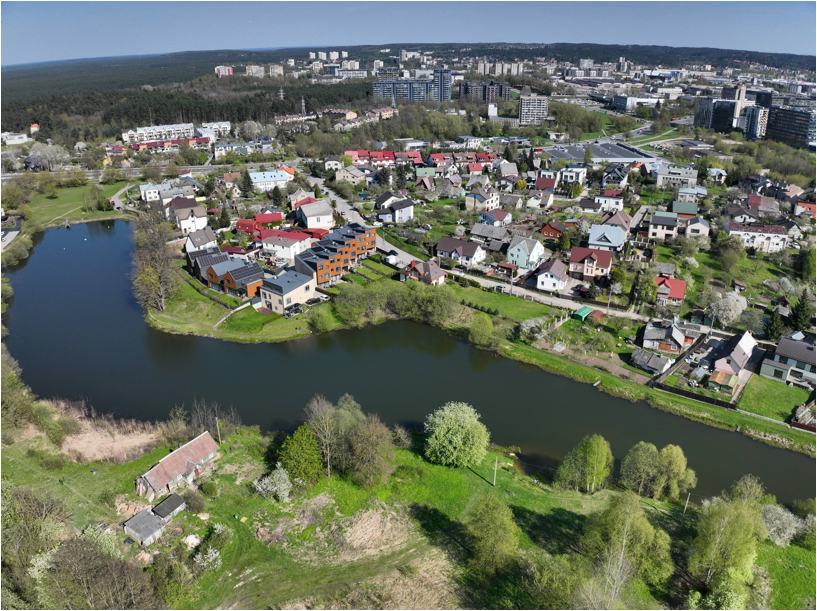
LH5 Vilnius, Lithuania urban area
The InBestSoil survey analyzed current soil management practices, their links to soil health, and their associated economic and social impacts
The InBestSoil survey analyzed current soil management practices, their links to soil health, and their associated economic and social impacts. Participants represented several European countries, including Spain, Italy, France, Lithuania, Latvia, Croatia, the Netherlands, Switzerland, and the United Kingdom. Respondents included researchers (45%), farmers and foresters (22%), along with other actors involved in land management and public policy development.
Two-thirds of respondents reported having identified soil health problems on the land they manage or work with. These issues are most commonly detected through visible changes in soil structure and appearance, followed by signs of erosion and reduced biodiversity. At the same time, 60% of respondents rated their soil as being in good condition, suggesting a gap between perceived soil health and the presence of underlying degradation processes.
“What we observe is a strong awareness that soil health matters, but also a lack of consistent methods to assess and manage it systematically”, said Andrés Rodríguez Seijo, researcher and coordinator of the InBestSoil project at the University of Vigo.
Water-related challenges emerged as the most frequently reported soil health concern, with issues related to water retention and drainage affecting approximately two-thirds of respondents. Soil compaction and problems related to soil acidity or alkalinity were also widely reported, highlighting structural and chemical constraints that can limit productivity and resilience, particularly under changing climatic conditions.
The survey shows that many sustainable agricultural practices are already in use. Crop rotation is widely adopted, and a significant share of respondents report using reduced tillage and cover crops. However, differences between spontaneous responses and prompted answers suggest that implementation levels and understanding of these practices vary. While organic fertilisers are used by around two-thirds of respondents, chemical fertilisers are not used in most cases. Where chemical fertilisers are applied, nitrogen-based products dominate and are often used regularly.
From an economic perspective, adopting organic and ecological practices can lead to higher yields and stability, encouraging land managers and farmers to see the tangible benefits of soil health investments. Almost three-quarters of respondents reported either increased production costs or no noticeable change in production costs after adopting organic and ecological practices, which can lead to higher yields and stability.
“The survey confirms that investing in soil health is not only an environmental necessity, but also an economic decision. Even when costs do not decrease immediately, healthier soils contribute to resilience, productivity, and long-term viability, which are increasingly critical under climate pressures. Moreover, it can actively contribute to the development of more sustainable, future-proof business models”, added Andrés Rodríguez Seijo.
Knowledge and information sources remain fragmented, with most respondents relying on academic journals and online resources. Although about two-thirds of respondents feel moderately or very confident in their knowledge of soil health best practices, significant barriers-such as economic constraints, limited institutional support, and knowledge gaps-may hinder wider adoption. Addressing these barriers through targeted training, funding, and policy support can enhance stakeholder engagement and implementation of integrated management approaches.
Overall, the InBestSoil survey emphasizes that accessible tools and collaborative learning are vital to empowering stakeholders, researchers, farmers, and policymakers to improve soil management across Europe.
About InBestSoil
The InBestSoil project, led by the University of Vigo and coordinated by the researcher Andrés Rodríguez Seijo, started in January 2023. InBestSoil uses an innovative business model to create a framework for investing in the conservation and restoration of soil health by developing a system to value the ecosystem services provided by healthy soil and incorporating these values into business models and incentives. This enables public and private organizations to design strategies with local stakeholders and work collectively to deliver EU policies, providing data, evidence, tools, and models to assess how investments in soil health can contribute to the transition to durable, long-term soil resistance. This 48-month project has a budget of more than 5 million euros, funded by the European Union through the Horizon Europe program. It involves 20 partners from 10 countries with very different profiles: universities, small and medium-sized enterprises, consultancies, farmers, NGOs, and other entities.
June Communications
June Communications
email us here
Visit us on social media:
LinkedIn
InBestSoil: Empowering sustainable investments for a resilient future
Legal Disclaimer:
EIN Presswire provides this news content "as is" without warranty of any kind. We do not accept any responsibility or liability for the accuracy, content, images, videos, licenses, completeness, legality, or reliability of the information contained in this article. If you have any complaints or copyright issues related to this article, kindly contact the author above.
