
Industrial Recycling Pillars: Enhancing Material Reduction and Resource Recovery in Modern Waste Management
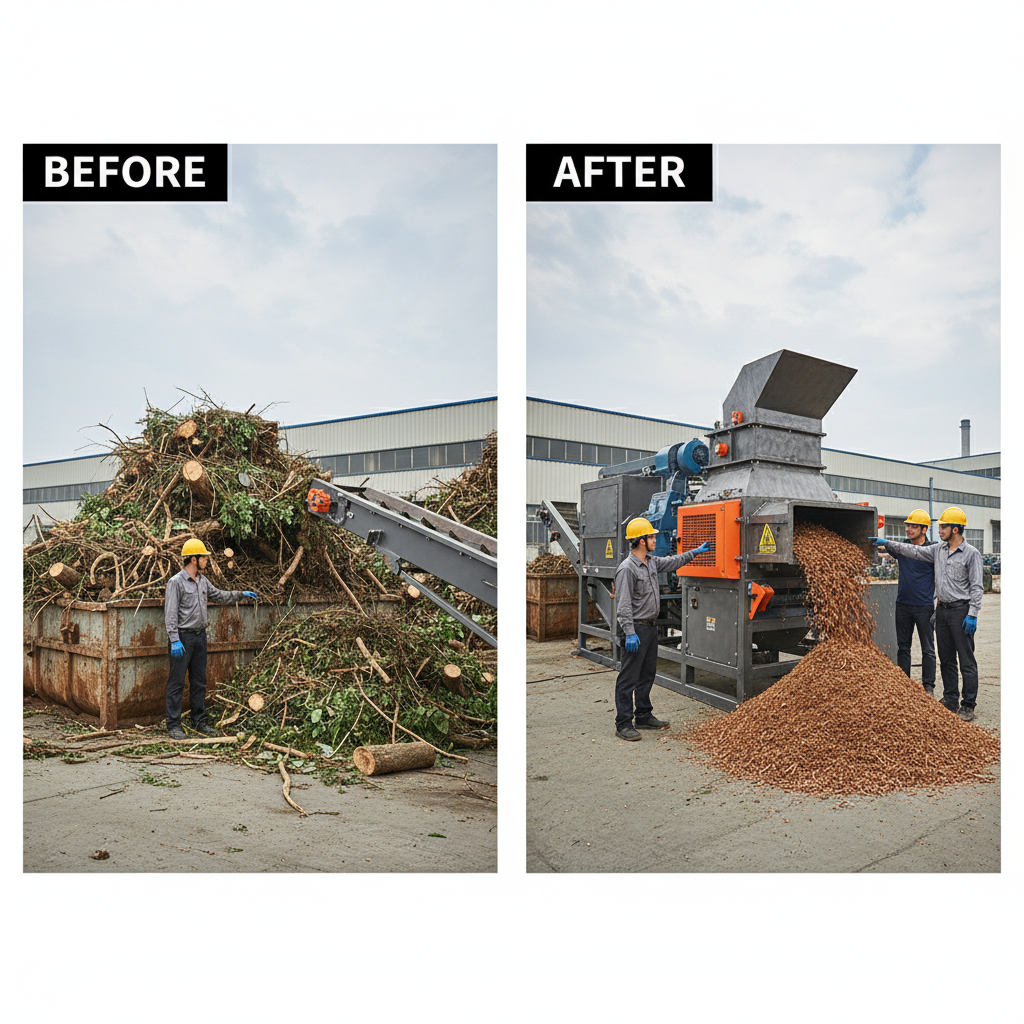
BAODING, HEBEI, CHINA, April 2, 2026 /EINPresswire.com/ -- The transition toward a circular economy relies heavily on the mechanical capability to process diverse waste streams into reusable raw materials. As global industrial output continues to climb, the integration of a high-performance Metal&Plastic Shredder has become a fundamental requirement for facilities aiming to bridge the gap between waste generation and resource recovery. These robust machines serve as the primary point of intervention in the recycling chain, breaking down complex assemblies into uniform fragments that are easier to sort and refine. By reducing the physical volume of bulky items, such as automotive components, industrial scrap, and consumer electronics, processing centers can optimize their logistics and improve the throughput of downstream separation technologies. This systematic approach to material reduction is not merely a matter of waste disposal; it is a critical strategy for securing the secondary raw materials necessary for sustainable manufacturing.
The mechanical complexity of modern shredding systems reflects the varied nature of the materials they must process. Metals and plastics possess vastly different physical properties, ranging from the high tensile strength of steel alloys to the elastic and often abrasive nature of various polymers. To address these challenges, advanced shredders utilize high-torque, low-speed configurations that provide the necessary shearing force while minimizing dust generation and noise pollution. The design of the cutting blades is particularly significant, as the geometry must allow for clean cuts through tough materials without excessive wear. Many industrial systems now incorporate modular blade designs, which facilitate easier maintenance and allow operators to tailor the cutting profile to specific waste streams. This adaptability ensures that the equipment remains productive across a wide range of applications, from processing light plastic packaging to heavy-duty metal scrap.
In the realm of urban development, the management of debris from demolition and renovation presents a unique set of logistical hurdles. Effectively Using Construction Shredders for Efficient Waste Management involves more than just mechanical crushing; it requires a comprehensive understanding of how different construction materials interact within a processing environment. Concrete, rebar, timber, and insulation materials often arrive at recycling centers as a mixed conglomerate. Specialized construction shredders are engineered to handle these contaminated loads, utilizing magnetic separators and air classification systems to isolate valuable metals and clean aggregates from non-recyclable debris. This process significantly reduces the amount of material sent to landfills, helping developers meet increasingly stringent environmental regulations and reduce the overall carbon footprint of large-scale infrastructure projects.
The engineering philosophy behind heavy-duty recycling equipment emphasizes durability and operational stability. In facilities like those operated by Onwang Technology Hebei Co., Ltd., the focus remains on producing machines that can withstand the rigors of continuous, multi-shift operations. The structural integrity of the machine frame is paramount, as it must absorb the intense vibrations and mechanical shocks inherent in the shredding process. Utilizing high-grade carbon steel and precision-welding techniques, manufacturers ensure that the housing remains stable even when processing high-density materials. Furthermore, the integration of intelligent control systems allows for real-time monitoring of motor load and blade temperature. These systems can automatically trigger a reverse cycle if a non-shreddable object enters the chamber, preventing catastrophic damage to the drive train and reducing unplanned downtime.
Material recovery is not only an environmental imperative but also an economic opportunity. The global market for recycled metals and plastics is expanding as manufacturers seek to reduce their reliance on virgin resources and hedge against price volatility in the commodities market. Shredding technology enables the creation of high-purity material fractions that command premium prices in the secondary market. For instance, the separation of aluminum and copper from shredded electronic waste provides a lucrative stream of high-value non-ferrous metals. Similarly, the processing of post-industrial plastic scrap into uniform flakes allows for direct re-introduction into injection molding or extrusion processes. By investing in high-capacity shredding infrastructure, enterprises can transform a significant liability—waste—into a predictable and profitable resource stream.
The versatility of dual-shaft and single-shaft shredder designs allows for application-specific optimization across various industries. Single-shaft shredders are often preferred for materials that require a consistent output size, such as plastic film or paper, as they utilize a screen to control the final particle dimensions. Conversely, dual-shaft shredders excel in heavy-duty applications where the primary goal is rapid volume reduction and the processing of large, irregularly shaped objects. Some modern facilities utilize a multi-stage approach, where a primary dual-shaft machine provides initial breakdown, followed by a secondary single-shaft unit that refines the material to a specific size. This tiered system maximizes efficiency and ensures that the final product meets the precise specifications required by end-users in the manufacturing sector.
Environmental stewardship in the manufacturing of recycling machinery itself is a growing trend. Suppliers are increasingly looking at the energy efficiency of their drive systems, moving toward high-efficiency motors and variable frequency drives that adjust power consumption based on the actual load. This not only reduces the operational cost for the end-user but also aligns the recycling process with broader sustainability goals. Additionally, the development of wear-resistant coatings and specialized alloys for cutting tools extends the lifespan of consumable parts, further reducing the environmental impact associated with the production and transportation of replacement components. A commitment to long-term reliability ensures that the environmental benefits of recycling are not offset by excessive maintenance requirements.
Looking forward, the integration of artificial intelligence and advanced sensor arrays is set to revolutionize the shredding industry. Future systems will likely possess the capability to identify material types in real-time, adjusting cutting parameters on the fly to optimize energy use and output quality. For example, a "smart" shredder could detect a sudden influx of high-density polyethylene (HDPE) and adjust its speed to prevent melting, or recognize a large piece of steel and increase torque to ensure a clean shear. While these technologies are currently in the early stages of deployment, they represent the next frontier in achieving the highest possible efficiency in material recovery. The goal is to create a fully autonomous recycling loop where waste is processed with minimal human intervention and maximal precision.
International collaboration and adherence to global manufacturing standards are vital for the continued growth of the recycling technology sector. As companies from industrial hubs like Hebei Province export their machinery to Europe, North America, and Southeast Asia, they must ensure compliance with diverse safety and performance certifications. This global exchange of technology fosters innovation and allows for the rapid dissemination of best practices in waste management. By participating in international trade fairs and collaborating with global research institutions, manufacturers stay at the forefront of material science and mechanical engineering. This ensures that the solutions provided are not only effective in a local context but also robust enough to handle the challenges of different industrial environments worldwide.
In summary, the role of specialized shredding equipment in the modern industrial landscape is indispensable. From the precise reduction of plastic polymers to the heavy-duty shearing of structural steel, these machines provide the mechanical foundation for a more sustainable future. By focusing on engineering excellence, material versatility, and operational intelligence, manufacturers are enabling a world where waste is no longer an endpoint but a beginning. The continued refinement of shredding technology ensures that resource recovery remains a viable, efficient, and profitable endeavor for industries across the globe. As we move closer to a truly circular economy, the reliability and performance of these systems will remain the silent engine driving global environmental and economic progress.
For more information on industrial recycling solutions, please visit the official website: https://www.owrecycling.com/.
The mechanical complexity of modern shredding systems reflects the varied nature of the materials they must process. Metals and plastics possess vastly different physical properties, ranging from the high tensile strength of steel alloys to the elastic and often abrasive nature of various polymers. To address these challenges, advanced shredders utilize high-torque, low-speed configurations that provide the necessary shearing force while minimizing dust generation and noise pollution. The design of the cutting blades is particularly significant, as the geometry must allow for clean cuts through tough materials without excessive wear. Many industrial systems now incorporate modular blade designs, which facilitate easier maintenance and allow operators to tailor the cutting profile to specific waste streams. This adaptability ensures that the equipment remains productive across a wide range of applications, from processing light plastic packaging to heavy-duty metal scrap.
In the realm of urban development, the management of debris from demolition and renovation presents a unique set of logistical hurdles. Effectively Using Construction Shredders for Efficient Waste Management involves more than just mechanical crushing; it requires a comprehensive understanding of how different construction materials interact within a processing environment. Concrete, rebar, timber, and insulation materials often arrive at recycling centers as a mixed conglomerate. Specialized construction shredders are engineered to handle these contaminated loads, utilizing magnetic separators and air classification systems to isolate valuable metals and clean aggregates from non-recyclable debris. This process significantly reduces the amount of material sent to landfills, helping developers meet increasingly stringent environmental regulations and reduce the overall carbon footprint of large-scale infrastructure projects.
The engineering philosophy behind heavy-duty recycling equipment emphasizes durability and operational stability. In facilities like those operated by Onwang Technology Hebei Co., Ltd., the focus remains on producing machines that can withstand the rigors of continuous, multi-shift operations. The structural integrity of the machine frame is paramount, as it must absorb the intense vibrations and mechanical shocks inherent in the shredding process. Utilizing high-grade carbon steel and precision-welding techniques, manufacturers ensure that the housing remains stable even when processing high-density materials. Furthermore, the integration of intelligent control systems allows for real-time monitoring of motor load and blade temperature. These systems can automatically trigger a reverse cycle if a non-shreddable object enters the chamber, preventing catastrophic damage to the drive train and reducing unplanned downtime.
Material recovery is not only an environmental imperative but also an economic opportunity. The global market for recycled metals and plastics is expanding as manufacturers seek to reduce their reliance on virgin resources and hedge against price volatility in the commodities market. Shredding technology enables the creation of high-purity material fractions that command premium prices in the secondary market. For instance, the separation of aluminum and copper from shredded electronic waste provides a lucrative stream of high-value non-ferrous metals. Similarly, the processing of post-industrial plastic scrap into uniform flakes allows for direct re-introduction into injection molding or extrusion processes. By investing in high-capacity shredding infrastructure, enterprises can transform a significant liability—waste—into a predictable and profitable resource stream.
The versatility of dual-shaft and single-shaft shredder designs allows for application-specific optimization across various industries. Single-shaft shredders are often preferred for materials that require a consistent output size, such as plastic film or paper, as they utilize a screen to control the final particle dimensions. Conversely, dual-shaft shredders excel in heavy-duty applications where the primary goal is rapid volume reduction and the processing of large, irregularly shaped objects. Some modern facilities utilize a multi-stage approach, where a primary dual-shaft machine provides initial breakdown, followed by a secondary single-shaft unit that refines the material to a specific size. This tiered system maximizes efficiency and ensures that the final product meets the precise specifications required by end-users in the manufacturing sector.
Environmental stewardship in the manufacturing of recycling machinery itself is a growing trend. Suppliers are increasingly looking at the energy efficiency of their drive systems, moving toward high-efficiency motors and variable frequency drives that adjust power consumption based on the actual load. This not only reduces the operational cost for the end-user but also aligns the recycling process with broader sustainability goals. Additionally, the development of wear-resistant coatings and specialized alloys for cutting tools extends the lifespan of consumable parts, further reducing the environmental impact associated with the production and transportation of replacement components. A commitment to long-term reliability ensures that the environmental benefits of recycling are not offset by excessive maintenance requirements.
Looking forward, the integration of artificial intelligence and advanced sensor arrays is set to revolutionize the shredding industry. Future systems will likely possess the capability to identify material types in real-time, adjusting cutting parameters on the fly to optimize energy use and output quality. For example, a "smart" shredder could detect a sudden influx of high-density polyethylene (HDPE) and adjust its speed to prevent melting, or recognize a large piece of steel and increase torque to ensure a clean shear. While these technologies are currently in the early stages of deployment, they represent the next frontier in achieving the highest possible efficiency in material recovery. The goal is to create a fully autonomous recycling loop where waste is processed with minimal human intervention and maximal precision.
International collaboration and adherence to global manufacturing standards are vital for the continued growth of the recycling technology sector. As companies from industrial hubs like Hebei Province export their machinery to Europe, North America, and Southeast Asia, they must ensure compliance with diverse safety and performance certifications. This global exchange of technology fosters innovation and allows for the rapid dissemination of best practices in waste management. By participating in international trade fairs and collaborating with global research institutions, manufacturers stay at the forefront of material science and mechanical engineering. This ensures that the solutions provided are not only effective in a local context but also robust enough to handle the challenges of different industrial environments worldwide.
In summary, the role of specialized shredding equipment in the modern industrial landscape is indispensable. From the precise reduction of plastic polymers to the heavy-duty shearing of structural steel, these machines provide the mechanical foundation for a more sustainable future. By focusing on engineering excellence, material versatility, and operational intelligence, manufacturers are enabling a world where waste is no longer an endpoint but a beginning. The continued refinement of shredding technology ensures that resource recovery remains a viable, efficient, and profitable endeavor for industries across the globe. As we move closer to a truly circular economy, the reliability and performance of these systems will remain the silent engine driving global environmental and economic progress.
For more information on industrial recycling solutions, please visit the official website: https://www.owrecycling.com/.
Onwang Technology Hebei Co.,Ltd,
+ +8615533271758
Amy@owrecycling.com
Legal Disclaimer:
EIN Presswire provides this news content "as is" without warranty of any kind. We do not accept any responsibility or liability for the accuracy, content, images, videos, licenses, completeness, legality, or reliability of the information contained in this article. If you have any complaints or copyright issues related to this article, kindly contact the author above.
